
01
Property Values Drop
MIT economists found that rent control depressed non-controlled properties even more than rent-controlled ones. Over 55% of all devaluation hit homes not subject to rent control.
02
Tax Bills Rise
A Tufts University study projects a 6–9% immediate shrinkage of the residential property tax base. Municipalities compensate by raising rates on every property owner.
03
Neighborhoods Deteriorate
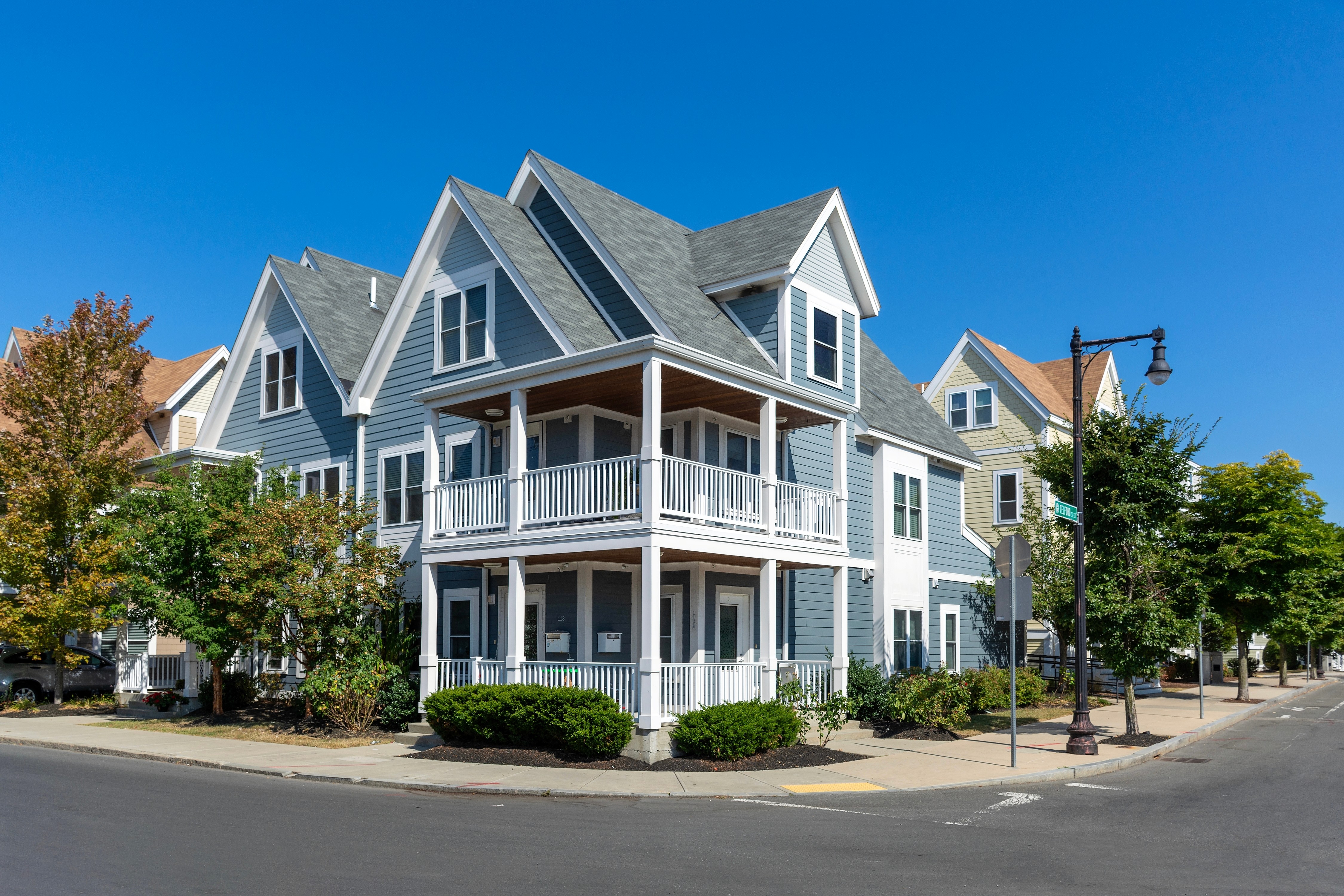
Rent control forces property owners to defer maintenance. Research consistently shows that deteriorated buildings reduce the value of nearby properties.
04
Schools & Services Are Cut
A shrinking tax base forces cities to choose between cutting police, fire, and schools — or hiking your tax rate. Every family in Massachusetts absorbs this cost.
University of Chicago, Kent A. Clark Center for Global Markets
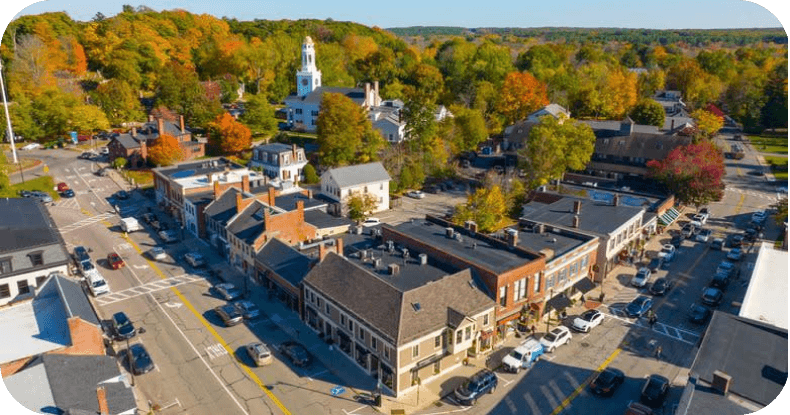
When rent control ends, property values rebound. When rent control ends in Cambridge in 1994, property values across the city rose by approximately $7.8 billion over the following decade — roughly $1.8 billion of which was directly attributed to repeal (equivalent to about $3 billion today).
The "spillover effect" is the reason why. A single neglected building drags down the assessed values of homes nearby.
Autor, Palmer & Pathak — Journal of Political Economy, 2014
When any municipality's revenue drops, the state backfills the gap. That means taxpayers in towns that rejected rent control still pay for towns that adopted it — through higher state taxes or cuts to shared services.
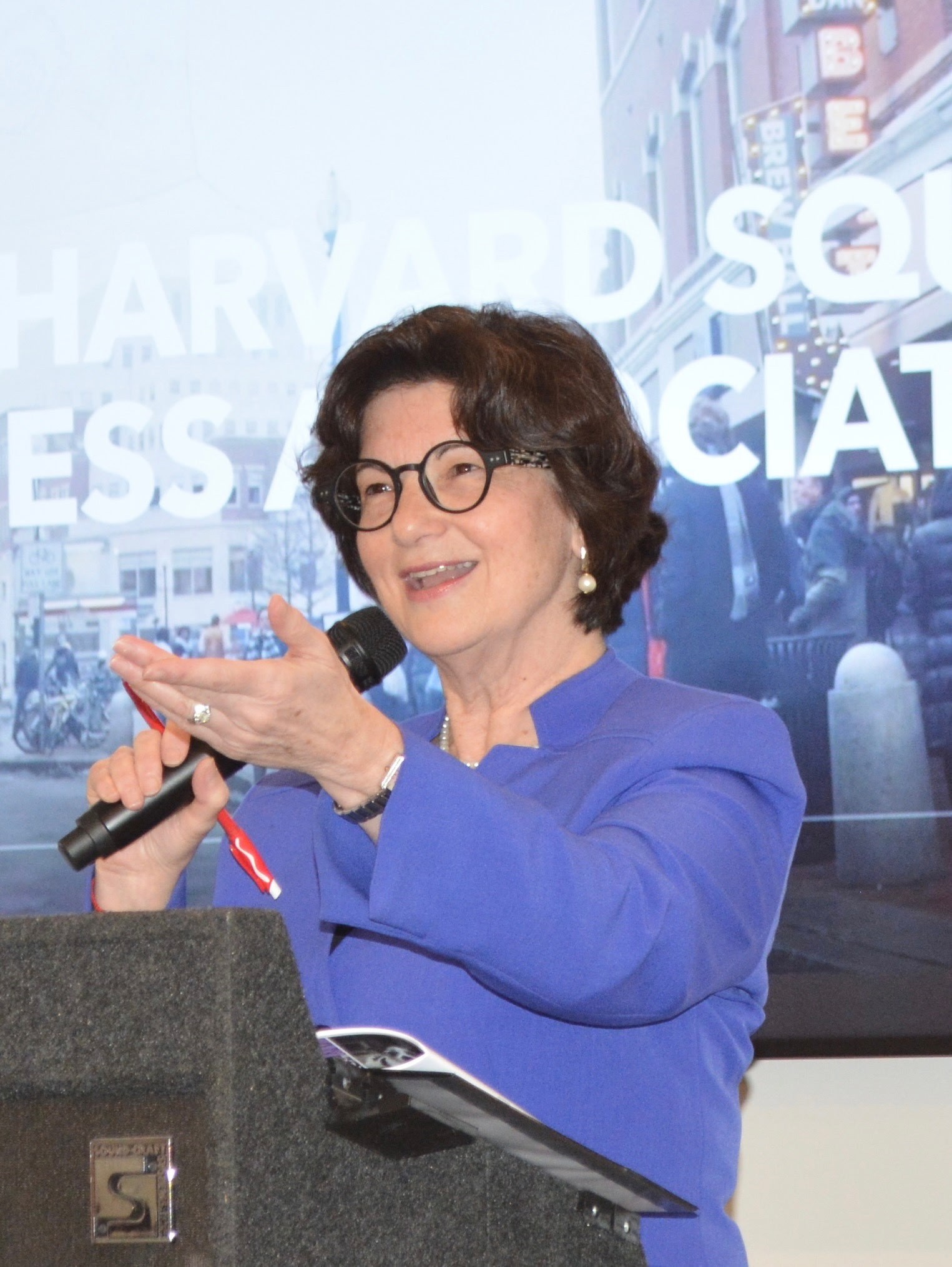
Denise Jillson
CHAIRPERSON
Denise Jillson grew up in Somerville where she attended public school. She is a longtime Cambridge resident, and has worked in Cambridge for her entire career; in Manufacturing/Engineering, Sales Management, and Institutional Development. She is currently the Executive Director of the Harvard Square Business Association and celebrated her 20th anniversary at the association in April of this year.
In 1994, Denise resigned as Co-Chair of the Small Property Owners Association (SPOA) to chair the Massachusetts Homeowners Coalition (MHC), the official ballot question committee, registered with the OCPF to receive contributions, make expenditures, and conduct the Question 9 campaign.
She is a founding member of the Community Charter School of Cambridge where she currently serves as treasurer of the Foundation Board. She also serves on the board of Furnishing Hope of Massachusetts and is a member of the Advisory Board for the Owen Lyon Trusts for Cambridge Scouting
Denise is former President and longtime member of the Rotary Club of Cambridge where she is a Paul Harris Fellow.
An alumna of Lesley University, she is married to George Pereira. They have two children and are the proud grandparents of Joshua and Andrew Pereira and Charlotte Pereira-Salvia.